Plant your summer flowering bulbs and seeds
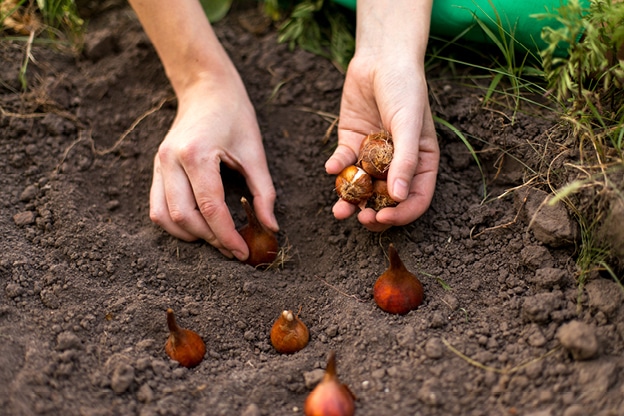
Gather up any bulbs you’ve been storing over the winter and plant them out now, for some beautiful bursts of colour when they bloom in the summer months.
Sow vegetables – The ideal time to sow your vegetable patch is early to mid-April. First of all, clear the area so it’s free of weeds. Then fertilise it well. Once the soil reaches 6 degrees, you’ll be safe to sow your seeds straight into the ground.

Get weeding
With the arrival of warmer weather, weed growth is never far behind! Staying on top of the weeding is a chore, but an important one. Regular weeding – either by hand or with a spade – while the weeds are still small will help to keep them under control.
Use a few treatments of boiling water to get rid of weeds between paving slabs.
Weed and tidy flower beds and borders – clear dead leaves and other debris to reveal bare soil, then dig manure or compost into empty borders to give the earth some much-needed nutrients.

Give your greenhouse a spring clean
Now’s the time to make your greenhouse ship shape. Clean the glass inside and outside with a solution of hot water and disinfectant, and leave windows and vents open to allow it to thoroughly dry out.

Get rid of hibernating pests
Taking a prevention-rather-than-cure approach to pests will save you a lot of time and effort. Find out where pests such as aphids, slugs and snails have been sheltering for the winter and remove them before they become an issue later in the year.
Finish leftover maintenance jobs
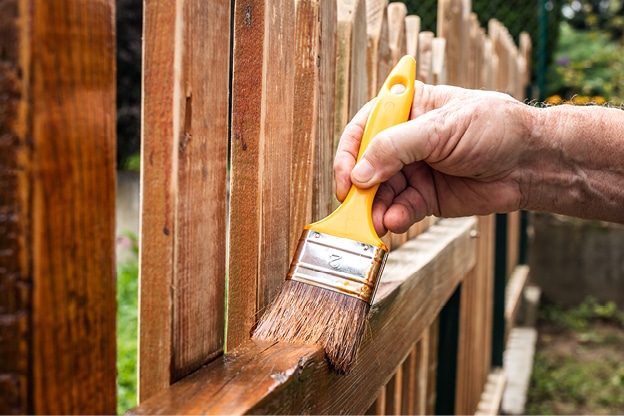
Got a fence that’s needed painting for ages? Or a broken pane of glass in your greenhouse? As the weather becomes a little warmer, now’s the perfect time to get out there and finish those leftover garden jobs.

Deadhead your flowers
Now’s the time to deadhead any of your early flowering bulbs, such as tulips and daffodils. But be sure to leave the foliage alone so it can die back naturally.

Feed your garden
After a long winter, your garden will thank you for giving it a good feed where needed. Add a layer of mulch to the base of shrubs and trees. And give hedges a good feed of slow release fertiliser. The upside is they’ll put out strong, healthy growth – just be prepared to go to work with your shears later on in the year!
Watch out for late frosts
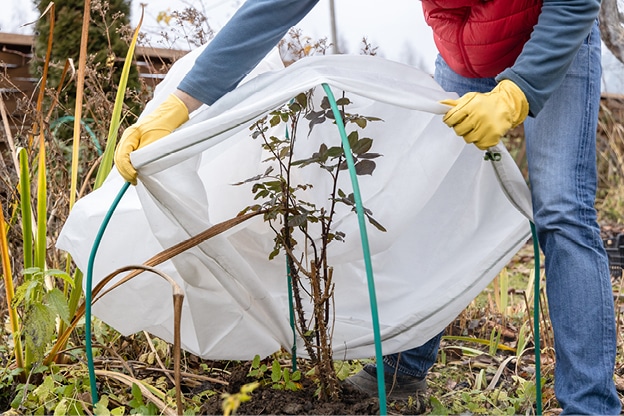
It’s easy to get lulled into a false sense of security once the warmer weather arrives. But frosts are still possible in spring, so keep a close eye on the weather.
Be prepared to protect your flowers and buds, in particular. If frosts look likely, cover these vulnerable plants with a cloche or use a horticultural fleece.