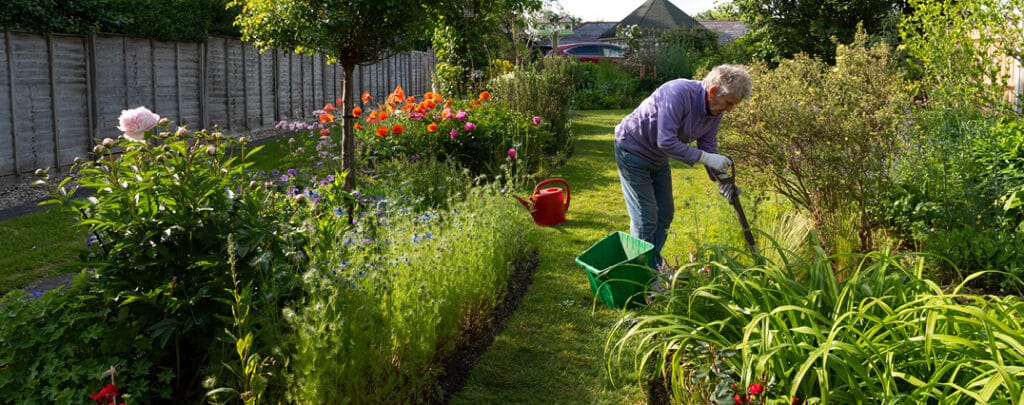
But before you plant all your crops and vegetables, consider the practice of companion planting. We’ve created a guide to the best companion planting strategies to ensure your crops are healthier and protected from pests.
The Benefits of Companion Planting
Companion planting is an age-old practice used for thousands of years in Greece, Rome and China. The process can help increase crop productivity in several ways, including pollination and pest control.
It’s extremely beneficial because it maintains a natural balance in your garden without using pesticides. Instead, the process involves planting different crops or plants close together, based on how they enhance each other’s growth and protect each other from pests.
Companion planting is also a great way to save on space, particularly in small gardens!
Classic Combinations to Plant in the Spring
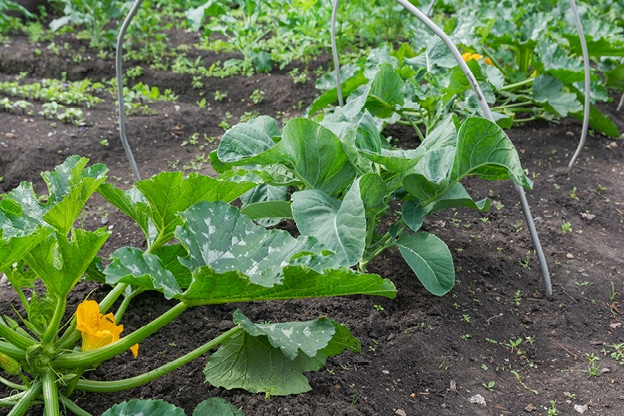
Beans, Corn, and Pumpkins: Known as the “Three Sisters”, this trio of beans, corn and pumpkins – or squash – are one of the best examples of companion planting. Beans support the growth of the other crops by fixing nitrogen in the soil, and sweetcorn provides climbing support for the beans. The pumpkins shade the soil and help retain moisture, which, in turn, increases humidity to help with bean pollination.
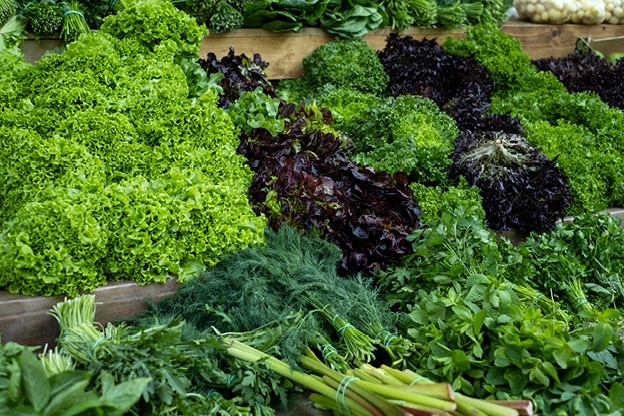
Lettuce, Radishes, and Carrots: If you’re creating a spring salad garden, these three companions complement each other perfectly. Radishes repel pests and can be harvested quickly to make room for slower-growing carrots. Meanwhile, lettuce provides a shady canopy that helps keep the soil cool and moist, and carrots help to loosen the soil for lettuce. Carrots also attract beneficial insects such as ladybugs and lacewings, which eat the non-beneficial aphids!
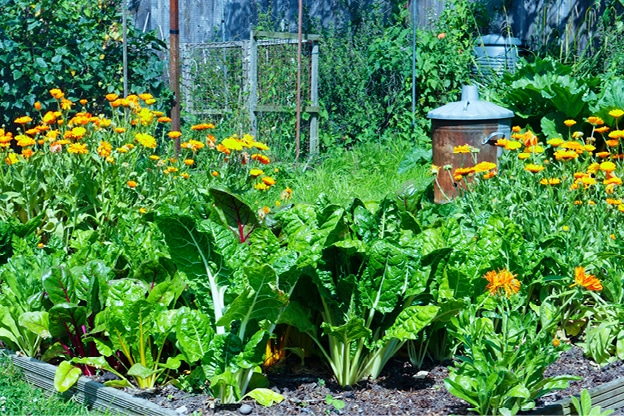
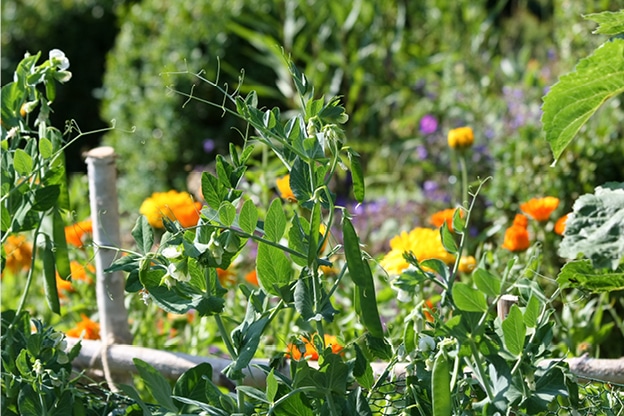
Tomatoes, Basil and Marigolds: this trio of crops effortlessly benefit each other. The aromatic presence of basil benefits tomatoes by repelling pests such as whiteflies and tomato hornworms, whereas marigolds attract beneficial ones like ladybugs. Marigolds will also help to repel nematodes, which can damage tomato roots.
Nasturtiums and the Cabbage Family: The bold-coloured blooms of Nasturtiums are not just pretty – they also serve as sacrificial plants! Nasturtiums can draw pests away from crops such as broccoli, brussels sprouts, cabbage, cauliflower and cucumbers. They’re also edible themselves and can be added to salads.
Top Tips for Success
Whilst companion planting offers numerous benefits, successful implementation requires careful planning and attention to detail. Here are some tips to ensure your springtime companion crops thrive:
- Avoid planting the same plants together or in rows as insects and slugs will find their favourite plant and spread quickly. Practice crop rotation each year to prevent the buildup of pests and diseases.
- Learn what plants NOT to plant together. For example, plants and crops that share common pests or diseases shouldn’t be planted near each other. The same goes for plants that have different light and water requirements.
- Monitor and observe your garden regularly for signs of pest infestations or nutrient deficiencies.
Though it requires careful planning, this age-old method can result in a vibrant and thriving vegetable patch. With time, you’ll soon find the confidence to experiment with different combinations. By using our guide to get started, you’ll soon reap the reap the rewards of successful companion planting.