Unfortunately, many pollinator populations are on the decline. Attracting pollinators can be not only beneficial to our gardens but to biodiversity and food production too.
If you plan to create a welcoming environment for bees, butterflies and other pollinators this spring, here’s what you need to do.
Choose Pollinator-Friendly Plants
Selecting a diverse range of plants is key to attracting pollinators. You should opt for native species whenever possible, as they are well-adapted to the local climate and ecosystem. The best pollinator-friendly flowers to plant in the spring include:

Lungwort: Lungwort blooms early and provides a vital source of early-season nectar for pollinators such as bees and butterflies.

Wallflowers: These versatile blooms provide a long nectar season for butterflies, moths and bees.

Primroses: As well as attracting bees and butterflies, primroses are also pollinated by hawkmoths and the bee fly.

Crocus: This all-spring-flowering plant provides both nectar and pollen for bees – some bumblebee queens will sleep in the flowers overnight!

Lavender: As well as being fragrant, lavender flowers are rich in nectar and attract bees, butterflies and, hoverflies.

Peony: Peonies attract honey bees, bumble bees and other beneficial insects because they are rich in pollen.

Foxgloves: Bumble bees are the main pollinators of foxgloves, but the plant also provides nectar for moths and honeybees.
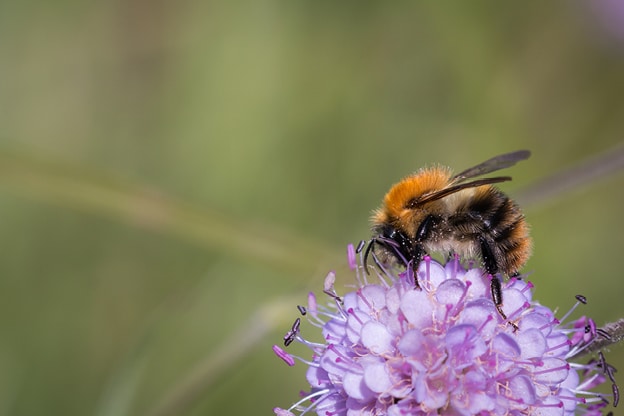
Provide Habitats for Pollinators
Bugs, insects and other pollinators need more than just flowers to thrive – they also need suitable shelter and nesting sites. Consider building insect hotels or bug shelters for a fun spring project, or incorporate shrubs around your garden for nesting and roosting opportunities. You could also leave some debris – such as dead wood or leaf litter – around your garden. This will provide natural nesting areas that may otherwise be scarce in early spring.

Avoid Pesticides and Chemicals
Ideally, you should minimize the use of chemicals and pesticides when creating a pollinator-friendly garden. Many of these substances can be harmful to pollinators and can disrupt their foraging behaviour. Instead, consider organic gardening practices such as companion planting, crop rotation, and biological pest control methods.

Plant Several Different Shapes and Colours of Flowers
Colourful flowers such as yellow, blue, purple, white and violet are very beneficial in attracting bees. Bees, in particular, are all different sizes with different tongue lengths, meaning they feed on a mixture of shaped flowers. Planting flowers in a variety of different colours and shapes will encourage them to feed in your garden.

Provide Water Sources
Insects and pollinators need access to water for hydration. Try incorporating a birdbath, fountain or small pond into your garden. Adding a few stones or pebbles to any water features will provide safe landing spots for bees and butterflies, allowing them to drink safely.
By implementing these strategies, you can transform your garden into a thriving haven for pollinators – and play a crucial role in conserving them too.