June

- Prune late-spring shrubs once they’re done flowering and encourage new growth by thinning any older stems.
- Plant out summer bedding into borders and containers with plenty of water to help them establish successfully.
- Regularly liquid feed your hanging baskets – a feed every few weeks will encourage a healthy selection of beautiful blooms.
- Autumn-flowering bulbs such as nerines and autumn crocus should be planted in summer. Nerines love a sunny location, while autumn crocus will prefer a shadier spot.
Other plant suggestions:
Limnanthes, nasturtiums, coreopsis, candelabra primulas and night-scented stock

July

- Remove unwelcome garden pests such as snails, aphids and ants before they have the chance to really wreak havoc in your garden.
- Give some attention to your sweet peas in July – water them regularly throughout the month, pick off flowers weekly and snip off seed pods to extend flowering.
- Now is the time to cut off some freshly opened flowers from your lavender plants. Hang them in a dark, cool place inside your house to enjoy their relaxing aroma.
- Now’s also a great time to sow seeds for next spring’s flowers. Think lupins, delpihiniums, bellis and aquilegias for some stunning spring colour next year.
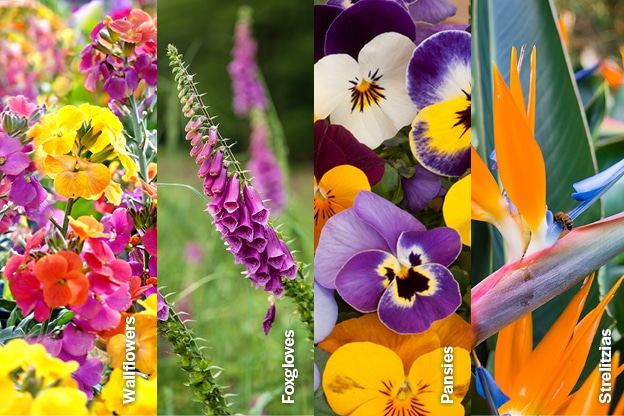
Other plant suggestions:
Wallflowers, foxgloves, pansies, and strelitzias.
August

- Once flowering stops on your lavender plants, cut them back to keep them compact and neat. Ensure you don’t cut into any old wood though! Make sure you cut to just above a group of new shoots.
- Keep an eye on your camellias and rhododendrons – keep them well watered through late summer when their flower buds are forming. Plan ahead for next year and sow hardy annuals in any sun trap areas now to ensure bursts of colour early next summer.
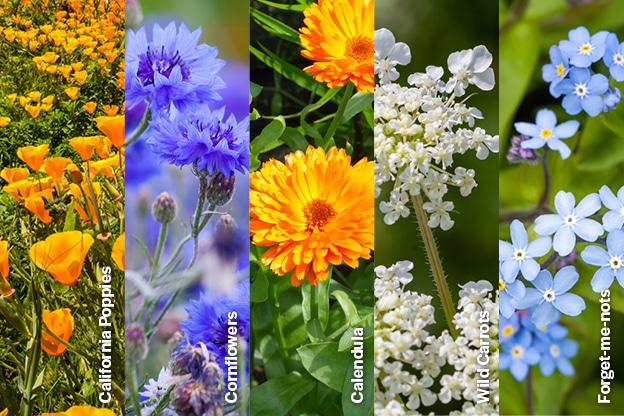
What to plant:
California poppies, cornflowers, calendula, wild carrots and forget-me-nots
Top tip: Adding some bedding plants to fill the gaps in your borders is a great way to add some instant colour during the latter parts of summer. If you’re using bedding plants in pots, think about mixing some perennials in, too. It means you won’t need to re-pot the whole thing when the plants finish flowering.