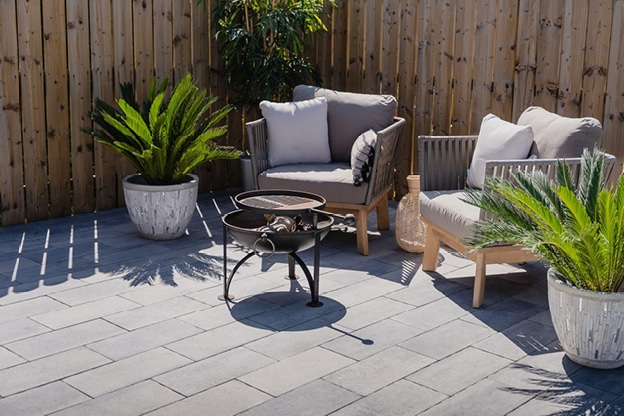
Avoid Pesticides
Rather than using harmful chemicals to combat pests and weeds, choose natural or environmentally friendly options. Consider copper tape or slug traps to keep common pests at bay, and weed burners or weed feeders for weed control. Alternatively, just remove weeds by hand, before they grow too big!
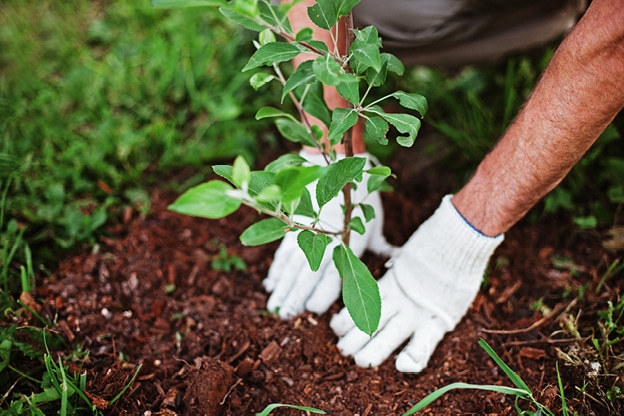
Plant a Tree
If all 30 million gardeners planted a medium-sized tree in the UK and nurtured it to maturity, they would store enough carbon equivalent to drive you more than 11 million times around our planet! [Source]. Not only will planting a tree help combat climate change, but it will also provide additional habitat for wildlife.
Use Native Plants
If you choose native plants that are well-suited to your local climate, they’ll require less water and maintenance. They can also provide a habitat for local wildlife and pollinators.
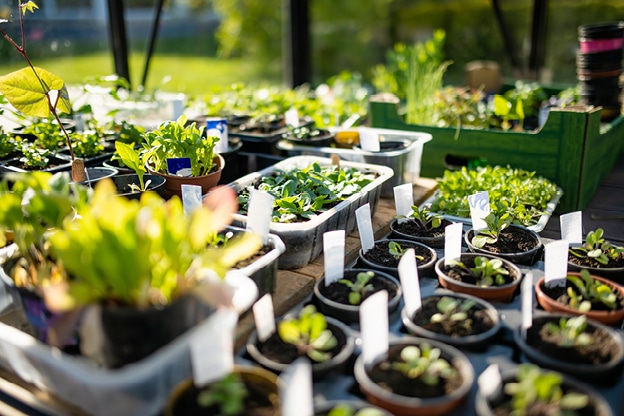
Grow Your Own Food
Plant a vegetable and herb garden to grow your own food. This reduces your carbon footprint and cuts down on the transportation and packaging associated with store-bought produce. It’s also a great way to save money!
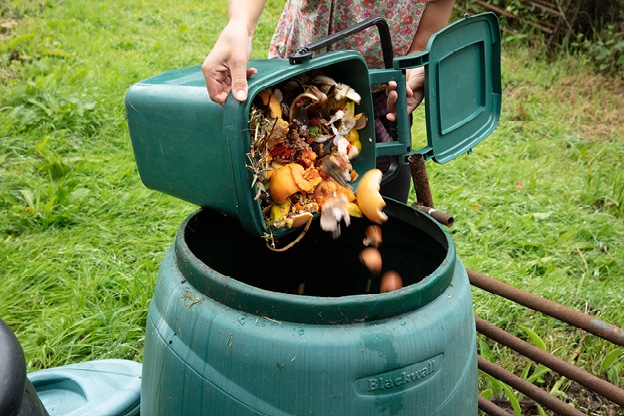
Consider Composting
Compost garden waste and kitchen scraps to create nutrient-rich soil for your garden. Rather than sending it to waste, you can create a natural fertiliser.
Try No-Dig Gardening
Rather than digging into the ground, place a piece of damp cardboard onto your grass or soil and pile compost on top. Then, use your hands to create small holes for any seeds or seedlings. This method stops weeds from germinating and enriches the soil without damaging it from digging.
Conserve Water
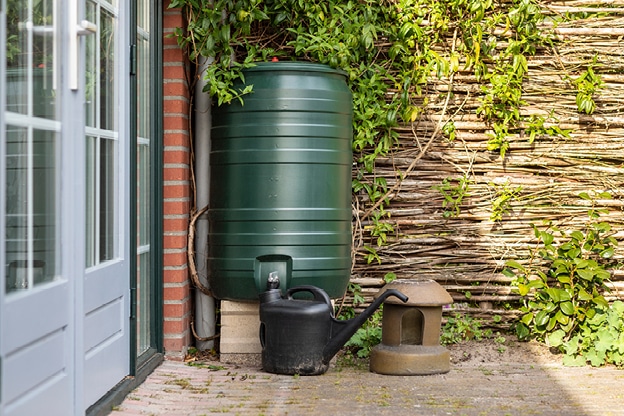
Swap your hosepipe for a watering can or install a water butt to save water. You could even create a dry or Mediterranean garden. Fill it with woody herbs and olive trees, as they need much less water than other plants.
Build a Pond
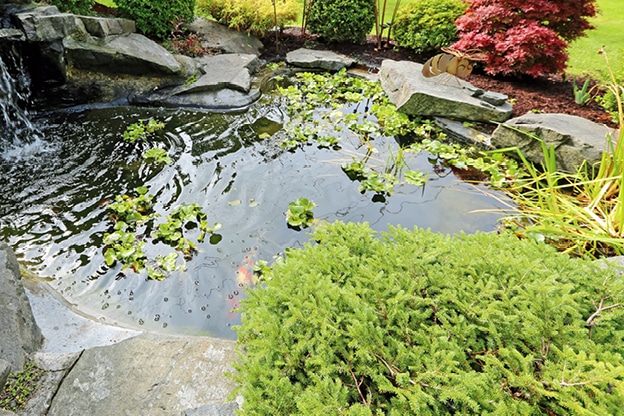
A garden pond is one of the most diverse garden habitats you can create in your garden. Not only will it provide a home for frogs and insects, but it will also create a drinking spot for passing birds.
Use Biodegradable Products
Swap plastic containers for wooden seed trays or pulp pots when growing from seeds. Peat-free pots are also a great idea, as they can be planted directly in soil to break down naturally. For plant labels, try creating some from natural materials like wood or slate.
Try Organic Mulching
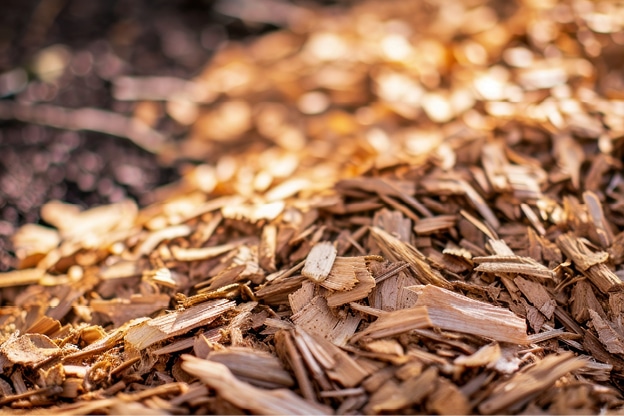
Use organic mulches such as wood chips, leaves or straw to help retain soil moisture and suppress weeds. Add a 2-3 inch layer of mulch to your garden beds and around landscape plants to help improve soil health too.
Plant Perennials
By planting more perennials, you’ll increase your sustainable gardening and save money in the long run. If you divide them every couple of years, you’ll avoid having to purchase new plants. You could even share them with friends too.