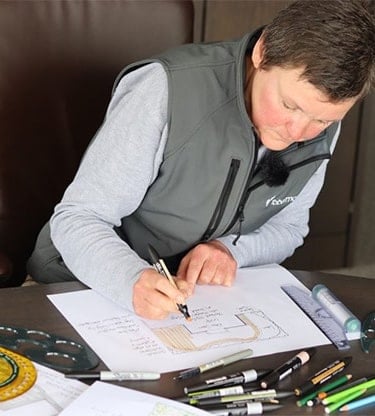
We’ve put together an essential guide to filling your garden with seasonal flowers and warm autumn colours, all while getting ready for the coming winter months.
Preparing your garden for autumn
As with any changing season, it’s important to clean and prepare your space before planting anything.
Start by getting rid of any pesky weeds or debris and any dead summer plants. Next, it’s time for pruning and deadheading: not just your plants but also branches, hedges, shrubs and trees. Take time to prune more tender plants like lavender and rosemary, as they won’t withstand pruning in winter. Pruning four to six weeks before the first frost is a good rule of thumb! Finally, nourish and prepare your soil by fertilising it – an important step as the temperature drops.
What to plant in autumn
Bulbs

Bulbs such as winter pansies and violas are your go-to for a quick burst of colour. Plant these early in the season for winter blooms. Looking ahead to spring, early autumn is also the best time to plant snowdrops, daffodils and tulips. As the season progresses, you should be planting bulbs like hyacinths and alliums which will stagger spring blooms next year.
Vegetables
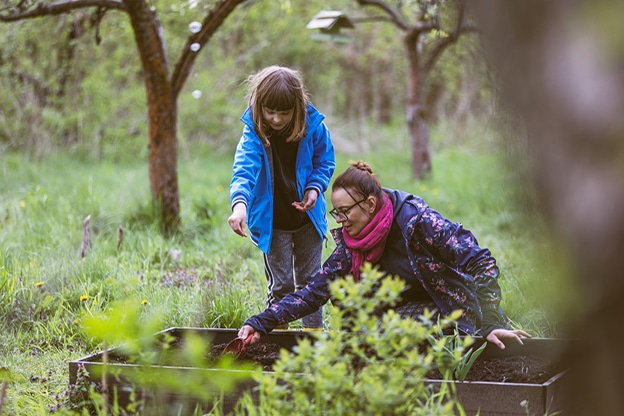
Autumn is a great time to start sowing vegetable seeds for fast winter crops, such as lettuce, spinach, rocket, kale and winter radishes. You can also use this time to plant garlic, onion and carrots for a bountiful spring harvest.
Trees, shrubs and bare-root plants
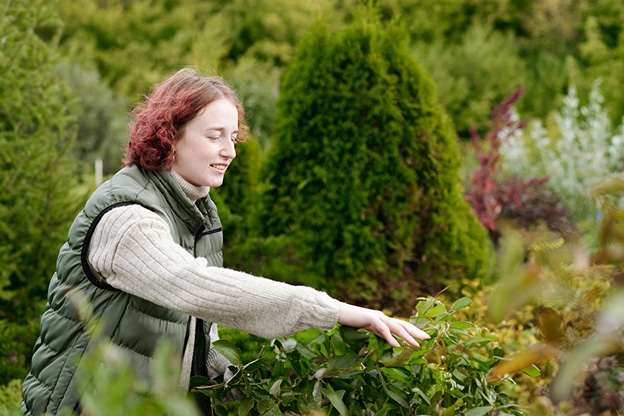
If you’re looking to grow new trees and shrubs, planting them in autumn allows them to establish strong root systems before a cold winter hits. The same goes for bare-root plants: roses, trees and fruit bushes should be planted in late autumn before the ground freezes.
Dreaming of a vibrant autumn garden next year? Plan ahead to plant bulbs such as asters, sedum, and chrysanthemums in the spring. This will ensure your garden is filled with bursts of autumn colour, year after year.
Tips for preparing your garden for winter
Autumn is all about preparing your garden for winter and planning ahead for the new year. Keep an eye on soil moisture levels – particularly as autumn can bring a lot of rain. It’s also a good time to protect your plants from pests and diseases and prepare them for frost. Do this by moving more tender blooms undercover and cutting them back to about half their height, to help remove mouldy leaf growth in winter.
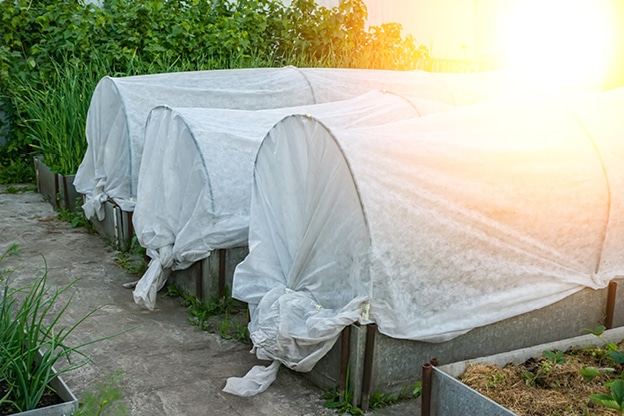
Just because the weather is turning and the days are getting shorter, there’s no need to give up on gardening entirely. In fact, the colder seasons are just as crucial as any when it comes to gardening. By following our guide, you can keep your garden blooming throughout autumn and ready for the months ahead.